

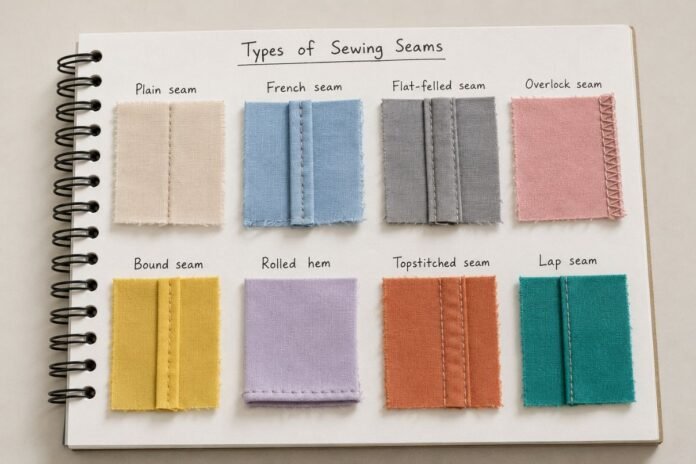
Nahttypen is a German word that simply means seam types in English. In sewing and garment construction, it refers to the different methods used to join fabric pieces together using stitching. Every piece of clothing ever made relies on some form of seam to hold it together, and understanding the different seam types available is one of the most foundational skills in both professional sewing and everyday tailoring.
Why Nahttypen Are Important in Garment Construction
Seams are the structural elements that determine how long a garment lasts, how it fits, and how it looks. Without the right seam selection, even the most beautiful fabric can fall apart quickly or produce a finished product that looks amateurish. Good garment construction depends entirely on matching the right seam type to the right fabric and purpose — getting this wrong leads to fraying, poor seam performance, and a garment that loses its shape after repeated washing.
The Role of Seam Types in Fashion Design
In fashion design, seam types do far more than hold fabric together. They contribute to garment aesthetics, define garment style, and can even become decorative features in their own right. Visible seams in streetwear, minimalist fashion, and denim styles often serve as creative expression. Functional seams in workwear and sportswear prioritize seam strength and seam durability above everything else. The role seams play shifts depending on the design intent, which is why understanding seam purpose is so central to the sewing industry.
Understanding the Basics of Sewing Seams
Before exploring specific seam categories, it helps to understand a few sewing fundamentals that apply across all seam types.
Every seam involves:
- Fabric layers placed together in a specific orientation
- A stitching line sewn at a measured distance from the fabric edge
- A seam allowance — the gap between the stitching line and the edge of the fabric
- Edge finishing to prevent fabric fraying over time
The quality of any seam comes down to sewing accuracy, fabric control, and stitch quality. Whether someone is a complete beginner or an experienced professional, these basics remain constant across all sewing techniques.
Main Categories of Nahttypen
Seam types divide broadly into several key categories based on their construction methods and seam functionality:
| Seam Category | Primary Use | Key Feature |
| Plain seams | Everyday garments | Simple, clean finish |
| French seams | Lightweight fabrics | Hidden raw edges |
| Flat-felled seams | Durable clothing | Double-stitched structure |
| Overlock seams | Stretch fabrics | Edge protection |
| Bound seams | Decorative finishing | Fabric enclosure |
| Reinforced seams | Heavy-duty garments | Extra seam strength |
Each category serves a distinct seam purpose and produces different sewing results depending on the fabric and application.
Plain Seam and Its Everyday Uses
The plain seam is the most common seam in clothing production and the first technique most beginners learn. It involves placing two fabric pieces right sides together and sewing a straight stitch along the seam allowance before pressing the seam open with steam pressing.
Plain seams work well for:
- Casual wear like shirts and dresses
- Medium-weight fabrics with low fraying risk
- Beginner sewing projects where simplicity matters
- Situations where seam finishing is applied afterward to protect raw edges
Despite its simplicity, the plain seam forms the backbone of most garment manufacturing and remains essential knowledge for sewing enthusiasts at every level.
French Seam for Elegant Finishing
The French seam is a seam finishing technique that encloses raw edges completely within the seam itself, creating hidden seams with no exposed fabric edge. This produces a clean, polished results on both the inside and outside of a garment — making it a favorite in professional tailoring and high-end garment construction.
French seams work best on:
- Lightweight fabrics like silk, chiffon, and satin
- Garments where interior finishing matters, such as dresses and blouses
- Fabrics prone to fabric fraying that need full edge protection
- Any sewing project where a clean finish on the inside is important
The French seam requires careful sewing precision and fabric control, but the result is one of the most visually appealing and structurally refined seam techniques available.
Flat-Felled Seam in Durable Clothing
The flat-felled seam is built for seam durability and is most recognizable as the seam running along the sides and legs of denim jeans. Its double-stitched structure folds one seam allowance over the other and stitches both down flat, creating a seam with exceptional stitching stability and seam resistance.
This seam type excels in:
- Denim and workwear where clothing durability is the priority
- Sportswear and activewear that experiences high stress during use
- Garments that undergo frequent repeated washing
- Any application where seam strength and seam reliability are non-negotiable
The flat-felled seam requires more time and sewing skills than basic seam types, but its seam performance under pressure makes it worth the effort in the right applications.
Overlock Seam for Stretch Fabrics
The overlock seam is created using an overlock machine that simultaneously trims the fabric edge, wraps thread around it, and stitches the seam in one continuous stitching process. This creates a seam with built-in seam flexibility that can stretch with the fabric without breaking.
Overlock seams are essential for:
- Stretch fabrics used in knitwear and activewear
- Fitted clothing that needs seam movement during wear
- Seam finishing on raw edges across all fabric types
- Fast clothing production in garment manufacturing settings
The overlock seam delivers high stitching comfort and seam comfort in garments that need to move freely with the wearer’s body.
Bound Seams and Decorative Seam Styles
Bound seams involve wrapping a separate strip of fabric around the raw edge of the seam allowance, creating a decorative appearance while also providing full edge protection. These seams blur the line between functional seams and decorative seams, making them popular in both high-end fashion design and handcrafted clothing.
Decorative seams more broadly include any seam construction that intentionally features visible seams as part of the garment’s design. In modern garment manufacturing, edge stitching and seam details add textures and patterns to clothing that might otherwise look plain.
Industrial Nahttypen Used in Manufacturing
Modern garment manufacturing uses highly specialized seam types designed for speed, seam reliability, and consistent seam quality across thousands of garments. Industrial seam techniques include:
- Reinforced lockstitch seams for high-stress areas in workwear and sportswear
- Chain stitch seams for speed in large-scale clothing production
- Safety stitch seams combining overlock and straight stitch for maximum seam support
- Flat seam construction used in seamless activewear for ultimate stitching comfort
These industrial methods prioritize seam engineering and sewing production efficiency while maintaining the garment quality standards required by modern fashion practices.
Difference Between Decorative and Functional Seams
Understanding the difference between decorative seams and functional seams helps both beginners and professionals make better seam selection decisions.
| Feature | Functional Seams | Decorative Seams |
| Primary Goal | Seam strength and durability | Visual appeal and creative expression |
| Visibility | Often hidden inside garment | Intentionally visible on outside |
| Common Use | Structural garment construction | Fashion-forward design details |
| Examples | Flat-felled, overlock, reinforced | Bound seams, edge stitching, topstitching |
The best garments often combine both — functional seams for structure and decorative seams for personality.
Choosing the Right Nahttypen for Different Fabrics
Fabric compatibility is one of the most important factors in seam selection. Using the wrong seam type on the wrong fabric creates problems that undermine even the best sewing craftsmanship.
Best Seam Types for Cotton, Silk, Denim, and Knit Fabrics
- Cotton — plain seams with overlocked edges work well for most cotton garments
- Silk and chiffon — French seams provide the clean finish and edge protection these delicate fabrics need
- Denim and canvas — flat-felled seams deliver the seam durability and stitching durability denim demands
- Knit fabrics — overlock seams provide the seam flexibility needed for stretch fabrics to move naturally
How Fabric Thickness Affects Seam Selection
Fabric thickness directly influences which seam construction method works best. Lightweight fabrics require delicate handling and enclosed seam techniques to prevent fabric fraying. Heavy fabrics need reinforced seams and stronger needle and thread combinations to achieve proper seam strength without uneven stitching or tension issues.
Seam Strength and Durability Explained
Seam strength refers to how much stress a seam can handle before it fails. It depends on several factors working together:
- Thread weight and quality relative to the fabric
- Stitch formation type and density
- Seam allowance width — wider allowances generally improve seam support
- Proper tension settings on the sewing machine
- Seam reinforcement at stress points like pockets and armholes
High-quality stitching combined with the right seam reinforcement techniques produces garments built for garment longevity rather than just short-term wearability.
Seam Flexibility and Comfort in Clothing
Seam flexibility matters most in fitted clothing, activewear, and knitwear where the fabric needs to stretch and recover without the seam breaking or puckering. Rigid seams in stretch fabrics create discomfort and restrict natural movement — a common problem in amateur sewing when seam techniques don’t match fabric requirements.
Stitching comfort comes from choosing seams that move with the body rather than against it, which is why overlock seams and specific stretch stitch settings on modern sewing machines are so important for active and form-fitting garments.
The Impact of Nahttypen on Garment Appearance
Seam appearance contributes significantly to overall garment aesthetics. Well-constructed seams lie flat, maintain consistent seam alignment, and create clean lines that support the intended garment shape. Poorly executed seams pucker, twist, or show through the fabric — undermining the entire visual impression of an otherwise well-designed garment.
Steam pressing after each seam is one of the most important steps in professional tailoring because it sets the seam flat and dramatically improves the finished product’s overall appearance.
Sewing Techniques Every Beginner Should Know
Beginners building their sewing fundamentals should focus on mastering these core techniques before attempting advanced work:
- Sewing a consistent straight stitch with even seam allowances
- Using steam pressing after every seam for a clean finish
- Trimming seams to reduce bulk in corners and curves
- Finishing raw edges with overlocking or zigzag stitching to prevent fraying
- Checking tension settings before starting any new project
These sewing essentials form the foundation of sewing confidence and set beginners on the path toward consistently polished results.
Step-by-Step Process for Creating Strong Seams
How to Sew a Strong, Clean Seam
- Prepare fabric — press flat and align fabric layers carefully before pinning
- Set up the machine — choose the correct needle, thread, and tension settings
- Sew the stitching line — maintain consistent seam allowance throughout
- Backstitch at both ends — this prevents the seam from unraveling
- Trim and finish edges — reduce bulk and protect against fabric fraying
- Press with steam — set the seam flat for a professional finish
Following this stitching process consistently produces strong seam construction and reliable sewing results across all fabric types.
Common Sewing Machines Used for Different Nahttypen
| Machine Type | Best Seam Types | Key Advantage |
| Standard sewing machine | Plain seams, flat-felled seams | Versatility across most seam types |
| Overlock machine | Overlock seams, edge finishing | Speed and stretch seam capability |
| Coverstitch machine | Knitwear hems and seams | Professional stretch seam finishing |
| Industrial lockstitch | Reinforced lockstitch seams | Speed and seam reliability |
Choosing the right machine for the seam type being created is just as important as choosing the right needle and thread.
Hand Sewing vs Machine Sewing Seams
Hand sewing and machine sewing each have their place in quality garment construction:
- Machine sewing delivers consistent stitch formation, speed, and seam reliability for most garment construction
- Hand sewing offers control and precision for delicate seam details, embellishments, and finishing work in handcrafted clothing
Professional tailoring often combines both — machines for structural seams and hand stitching for finishing seams and decorative details that require a human touch.
Common Mistakes to Avoid When Working with Nahttypen
Even experienced sewers make avoidable errors that compromise seam quality:
- Using incorrect seam type for the fabric being sewn
- Ignoring seam allowances and sewing too close to the fabric edge
- Skipping steam pressing, which leaves seams puckered and uneven
- Poor fabric control during stitching, leading to uneven stitching
- Choosing the wrong thread weight for heavy fabrics or lightweight fabrics
- Neglecting seam reinforcement at high-stress points in the garment
Avoiding these mistakes comes down to sewing precision, preparation, and understanding fabric compatibility before cutting or stitching begins.
How Professionals Achieve Clean Seam Finishing
Professional garments achieve their distinctive quality through consistent application of seam finishing techniques that most amateur sewing overlooks:
- Trimming and grading seam allowances to reduce bulk
- Clipping curves to allow seams to lie flat after turning
- Using steam pressing at every stage of construction
- Applying appropriate edge finishing to every seam regardless of visibility
- Maintaining consistent seam alignment throughout the garment
This level of attention to seam maintenance and sewing craftsmanship is what separates truly professional tailoring from good home sewing.
Tips for Improving Seam Quality in DIY Projects
Anyone working on sewing projects at home can dramatically improve their seam quality with a few practical adjustments:
- Always press seams immediately after stitching
- Use quality thread appropriate to the fabric weight
- Practice seam alignment on scrap fabric before cutting into the main material
- Take time to finish every raw edge even on hidden seams
- Invest in an overlock machine if working frequently with stretch fabrics or knit fabrics
Nahttypen in Modern Fashion Trends
Modern fashion has embraced seam innovation in exciting ways. Visible seams are now design features in minimalist fashion and streetwear. Denim styles use contrasting thread on flat-felled seams as deliberate decorative elements. High-fashion garments experiment with seam aesthetics through unusual placements and seam details that challenge traditional garment shape conventions.
This integration of seam techniques into fashion-forward design reflects how deeply seam construction influences the overall direction of contemporary clothing.
Sustainable Sewing and Efficient Seam Techniques
Sustainable fashion and environmentally responsible fashion practices increasingly influence how sewers and designers approach seam selection. Efficient seam techniques reduce fabric waste by maximizing fabric use and minimizing trimmings. Durable seam construction extends garment life, reducing the need for replacement and lowering the environmental impact of clothing production.
Choosing the right seam type for durability — like flat-felled seams in denim or reinforced seams in workwear — is itself a sustainable fashion choice that supports longer-lasting, higher-quality clothing.
Advanced Seam Techniques for Professional Designers
Professional designers working at the highest level of sewing mastery employ advanced techniques that go beyond standard seam construction:
- Seam integration with structural boning or interfacing for couture garments
- Seam engineering for zero-waste pattern cutting
- Invisible seam techniques in tailored jackets and coats
- Specialty seam applications for leather, technical fabrics, and performance textiles
- Precision seam alignment for complex patterns and matching
These advanced techniques represent the pinnacle of seam expertise and textile construction, combining technical sewing skills with deep understanding of fabric compatibility and garment quality requirements.
Frequently Asked Questions About Nahttypen
Q: What is the easiest seam type for beginners to learn first?
The plain seam is the simplest and most versatile starting point for anyone new to sewing.
Q: Which seam type works best for stretch fabrics like activewear?
The overlock seam is the best choice for stretch fabrics because it provides the seam flexibility needed for movement.
Q: Why do professionals use steam pressing after every seam?
Steam pressing sets seams flat, improves seam alignment, and produces the clean, polished finish that defines professional garment construction.
Q: What causes seams to pucker or look uneven?
Incorrect tension settings, poor fabric control, and mismatched thread weight are the most common causes of uneven stitching in seams.
Q: Are visible seams considered a design choice in modern fashion?
Yes, visible seams are frequently used as intentional decorative elements in streetwear, denim styles, and minimalist fashion design.
Final Thoughts
Choosing the right seam type for every project is one of the most important decisions in sewing — and now it doesn’t have to feel overwhelming. From the simplicity of plain seams to the engineering precision of flat-felled and French seams, every Nahttypen serves a specific purpose that contributes to garment quality, seam durability, and overall sewing craftsmanship. Whether someone is a beginner building their first sewing skills or a professional pushing the boundaries of advanced techniques, understanding seam types deeply always leads to better, more durable, and more beautiful clothing.